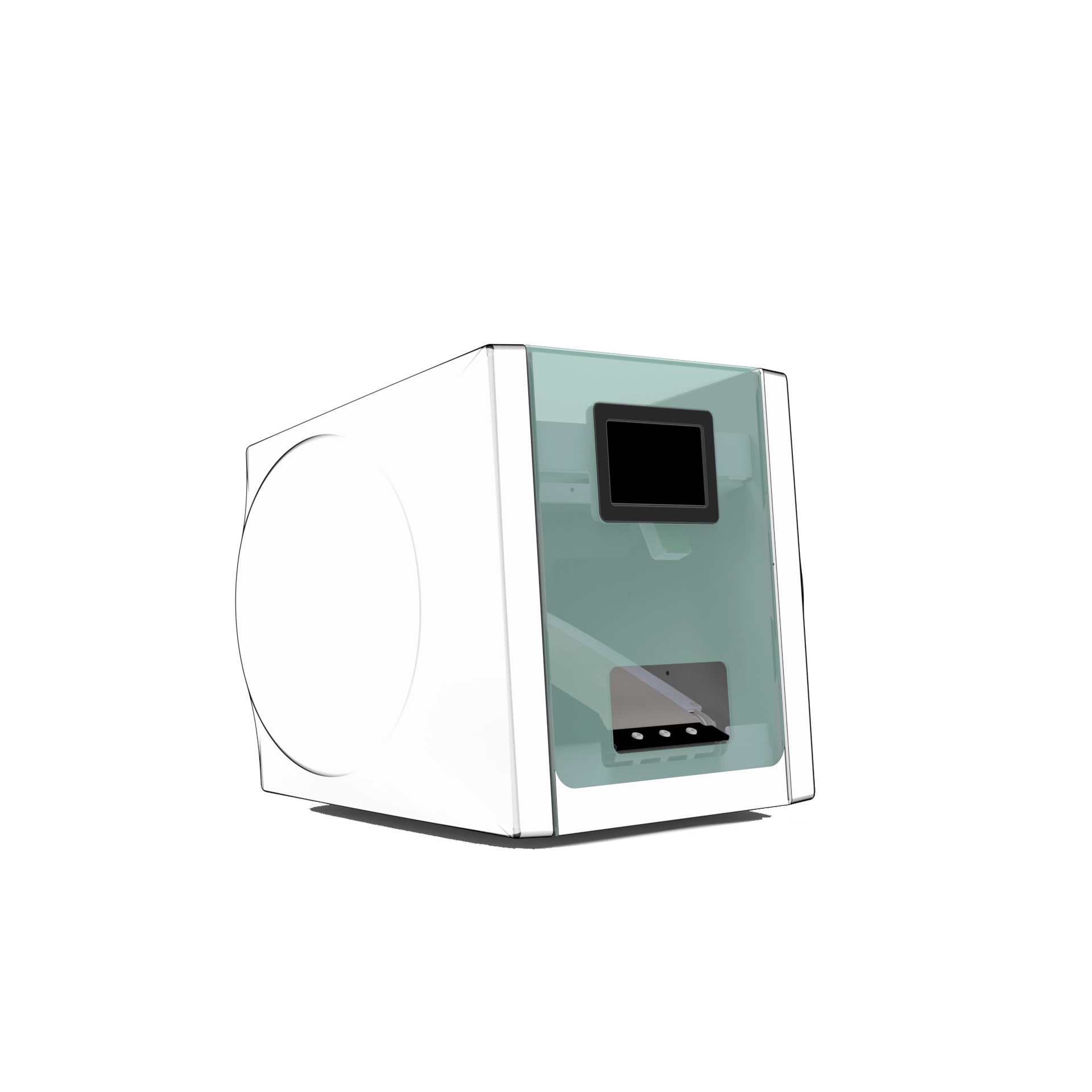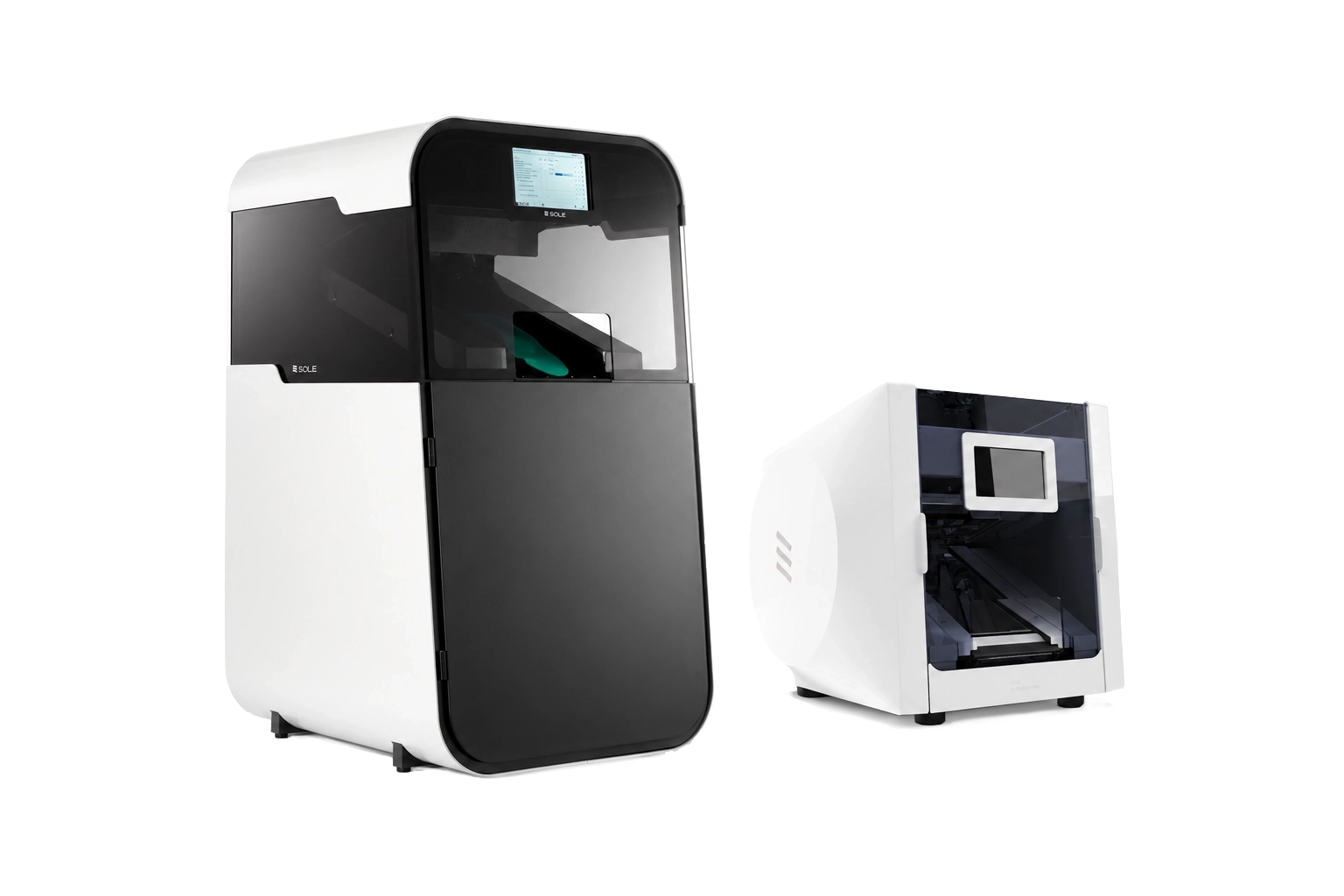

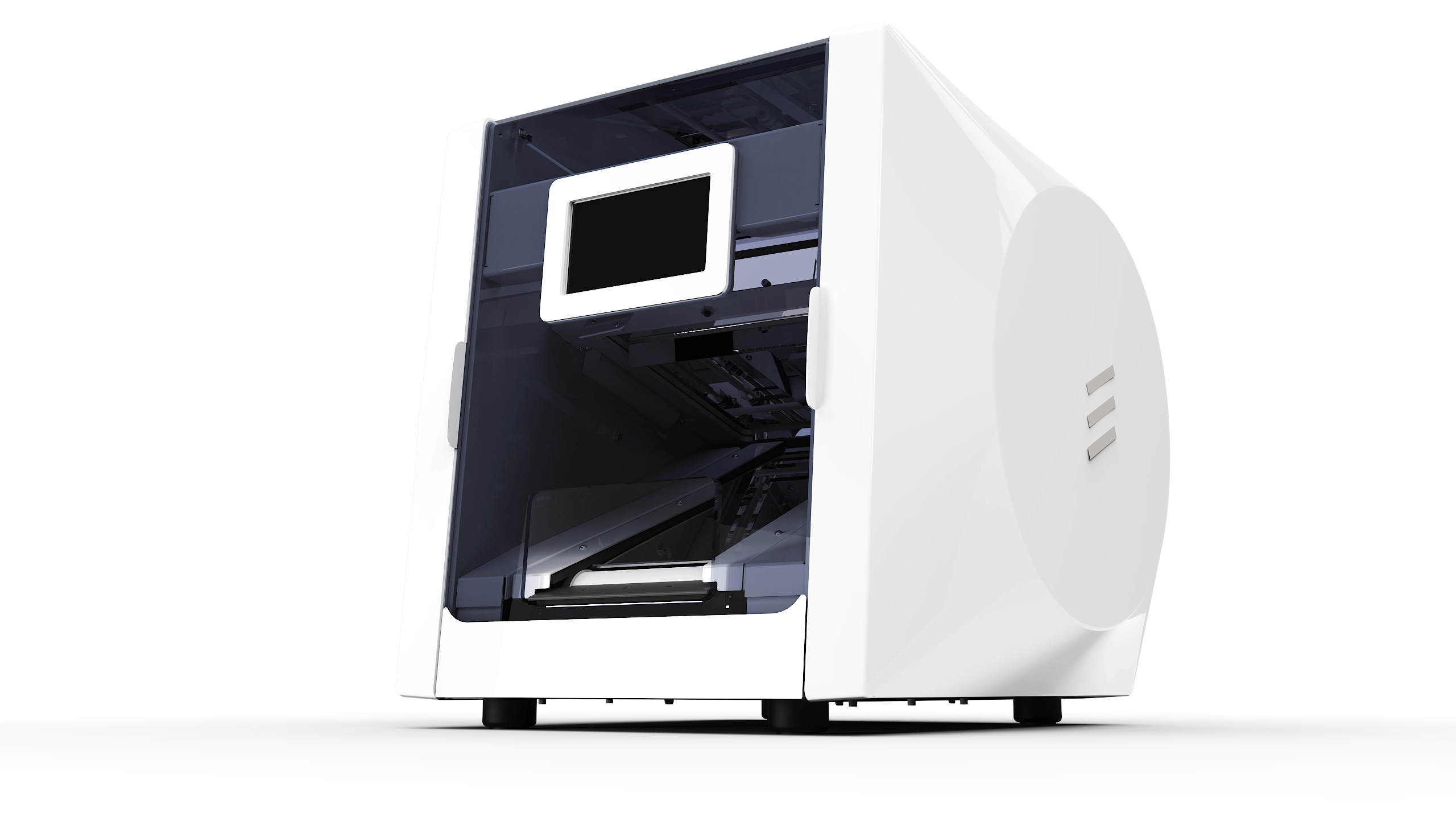
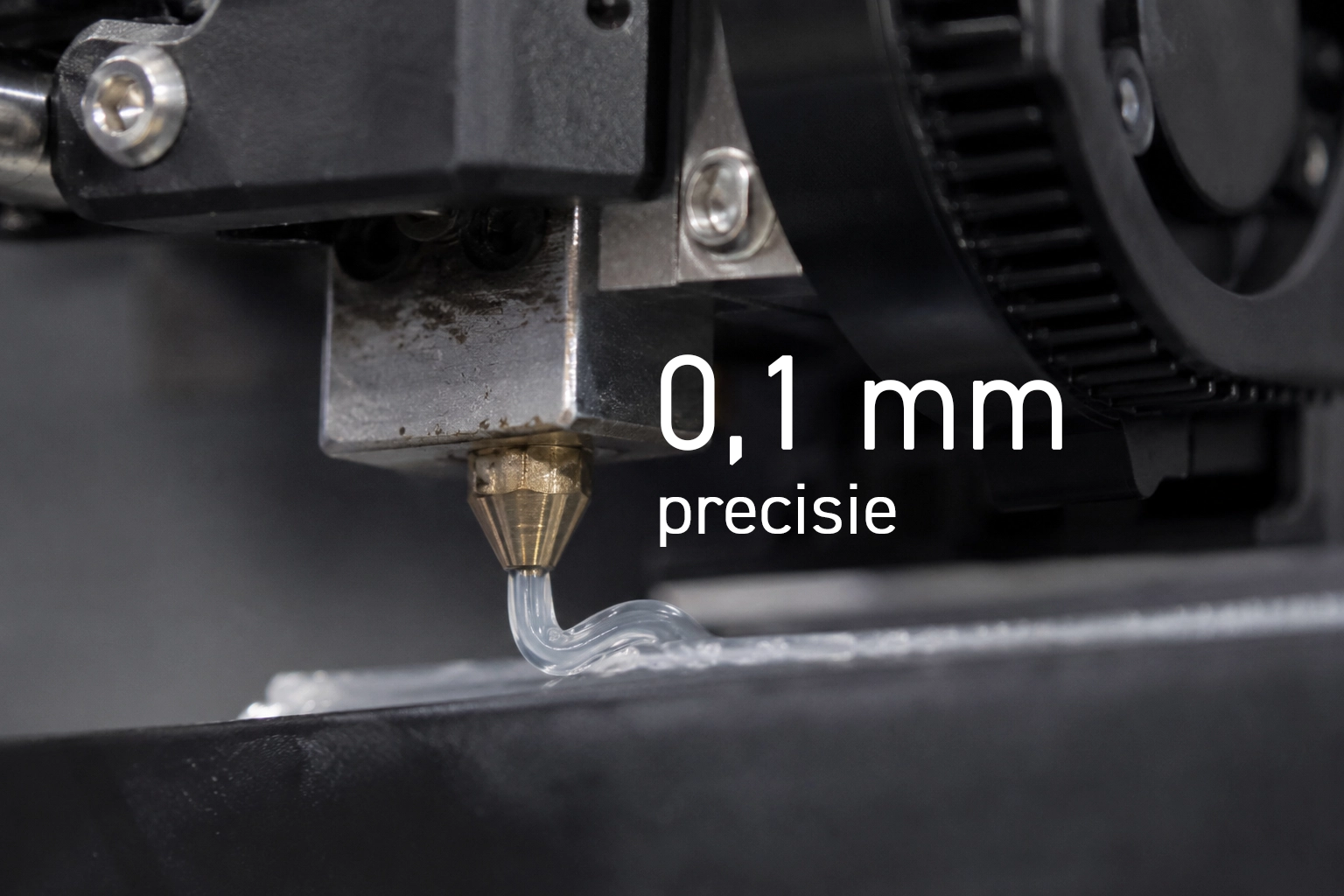
This is one of those products where you wonder why it didn't exist sooner. Podoprinter is a company that develops 3D printers for printing orthopaedic insoles. They use a TPU material that lasts 1000x longer than a standard leather insole. The first version of their printer was large, heavy, complex to manufacture, and didn't always fit in an orthopaedist's workshop. Lencon was asked to develop a compact, practical, and cost-effective design.
By choosing 3D printing, an orthopaedist can reduce workshop waste and storage to virtually zero. Furthermore, the delivery time for a set of insoles is reduced from two working days to 20 minutes. The customer can take them home immediately after their appointment.

Name
Title / Function
Name
Title / Function

To simplify logistics, Podoprinter wanted a design with far fewer parts and no welded joints. Additionally, the size had to be more compact and at least half the height.
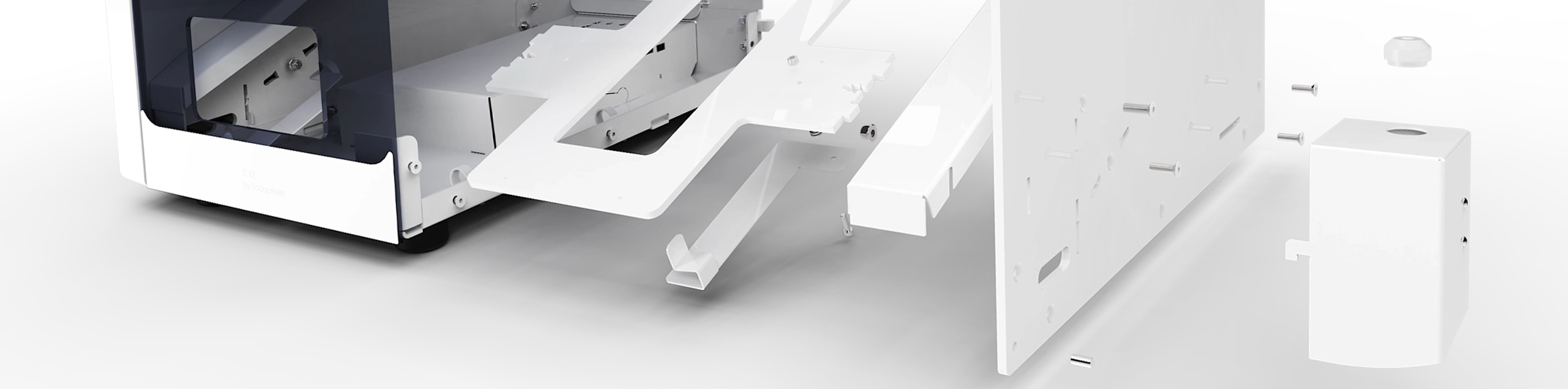
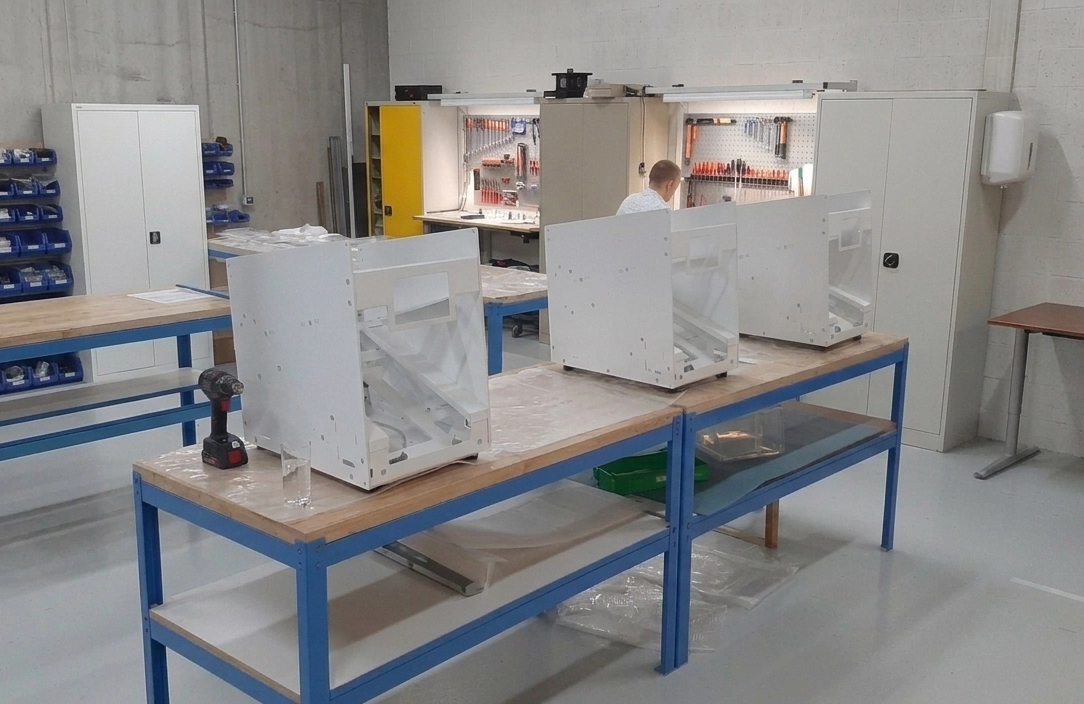
Lencon opted for a locking system with screw connections in sheet material, eliminating the need for metal folding or welding. This made assembly significantly simpler and cheaper.
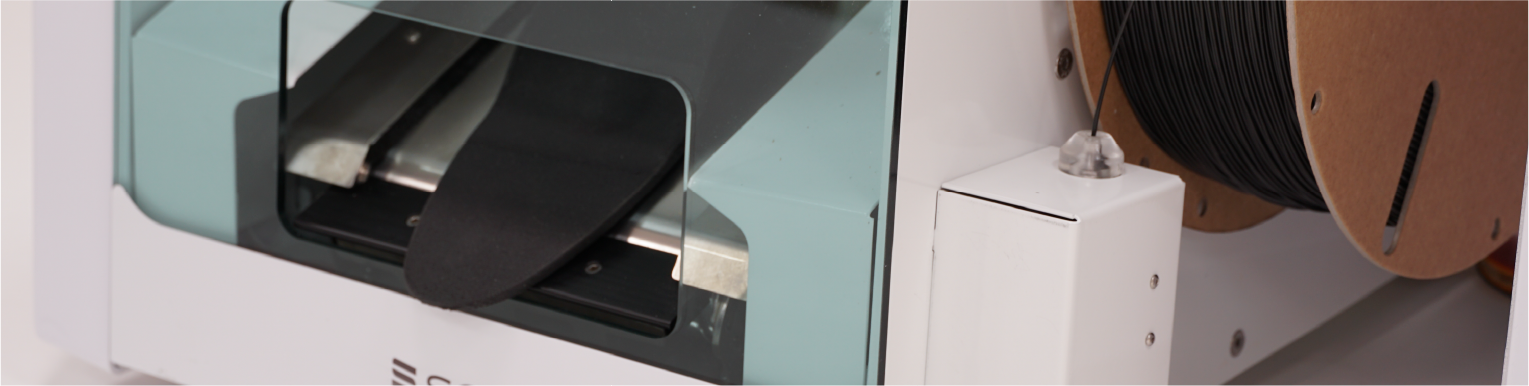
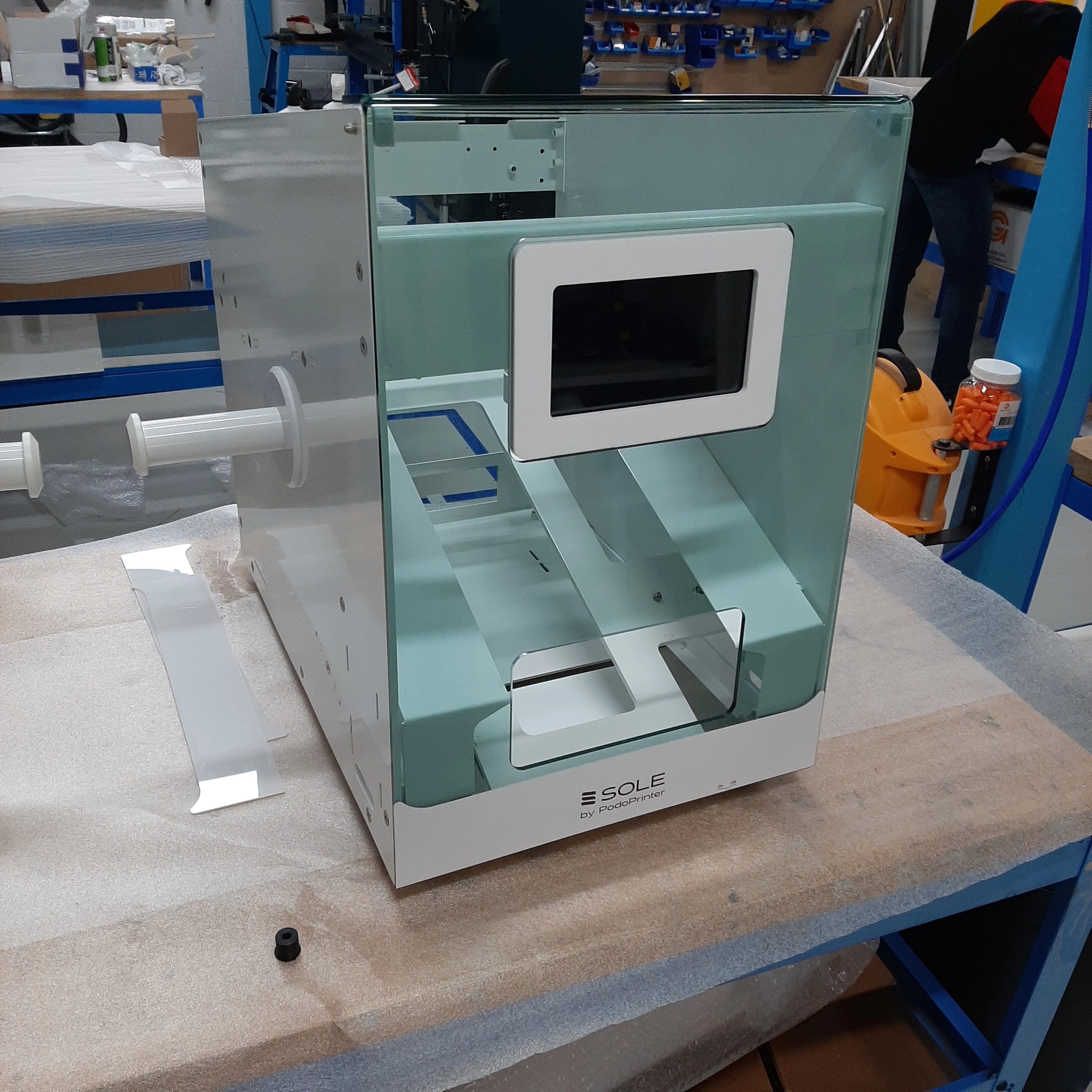
The first prototype was also a fully functional 3D printer from the start. The demonstration at a medical trade fair in October 2023 attracted a lot of attention and served as an excellent real-world test.
In later stages, there were several moments where we used prototypes to keep the end result in sight. Validation was crucial during those phases.
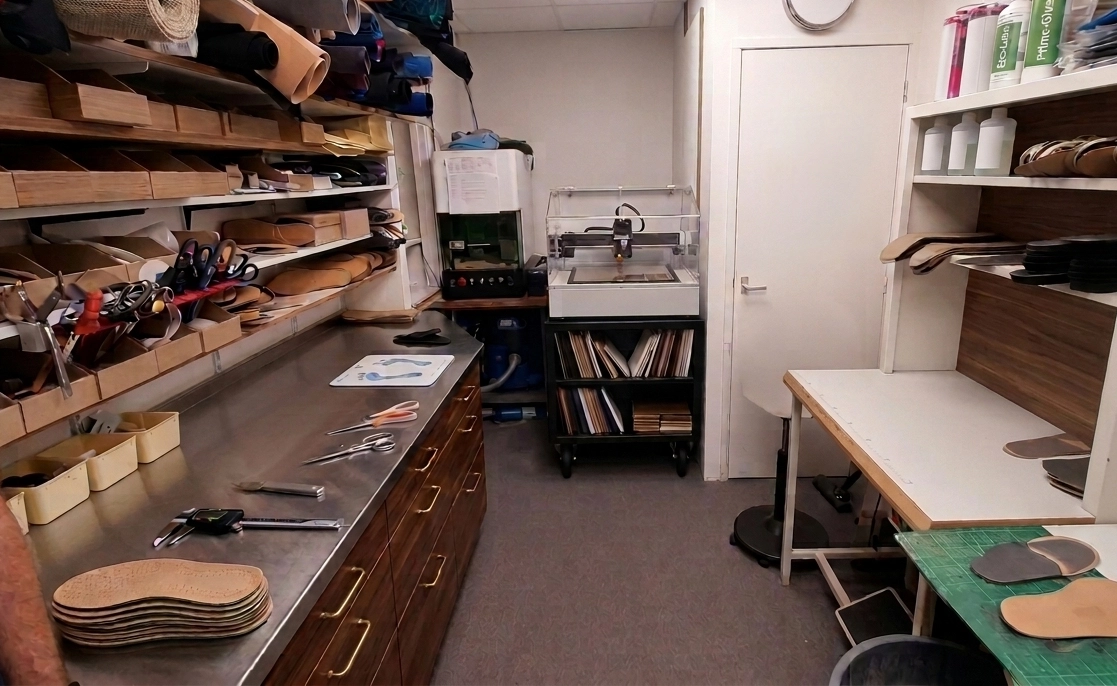
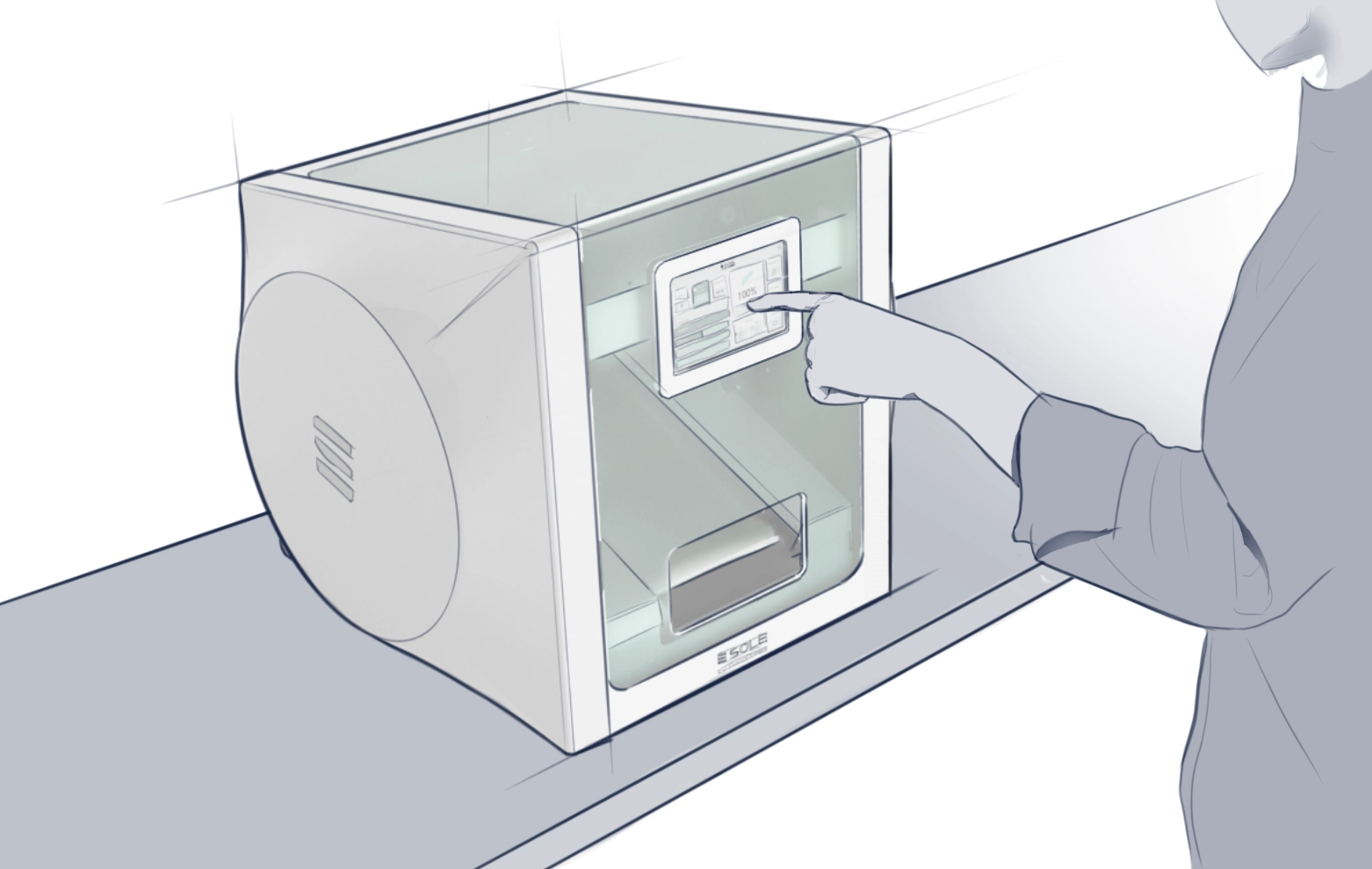
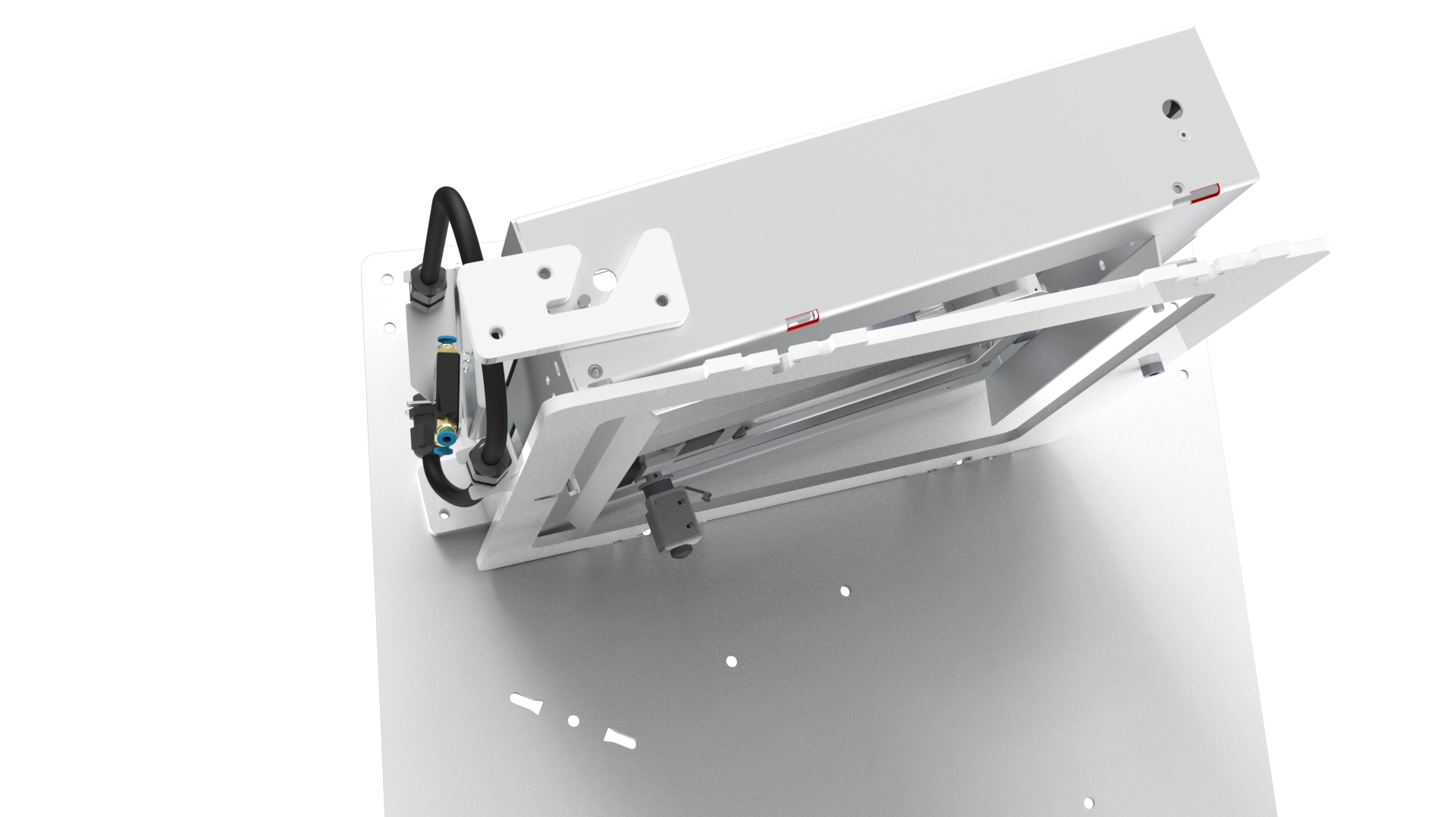
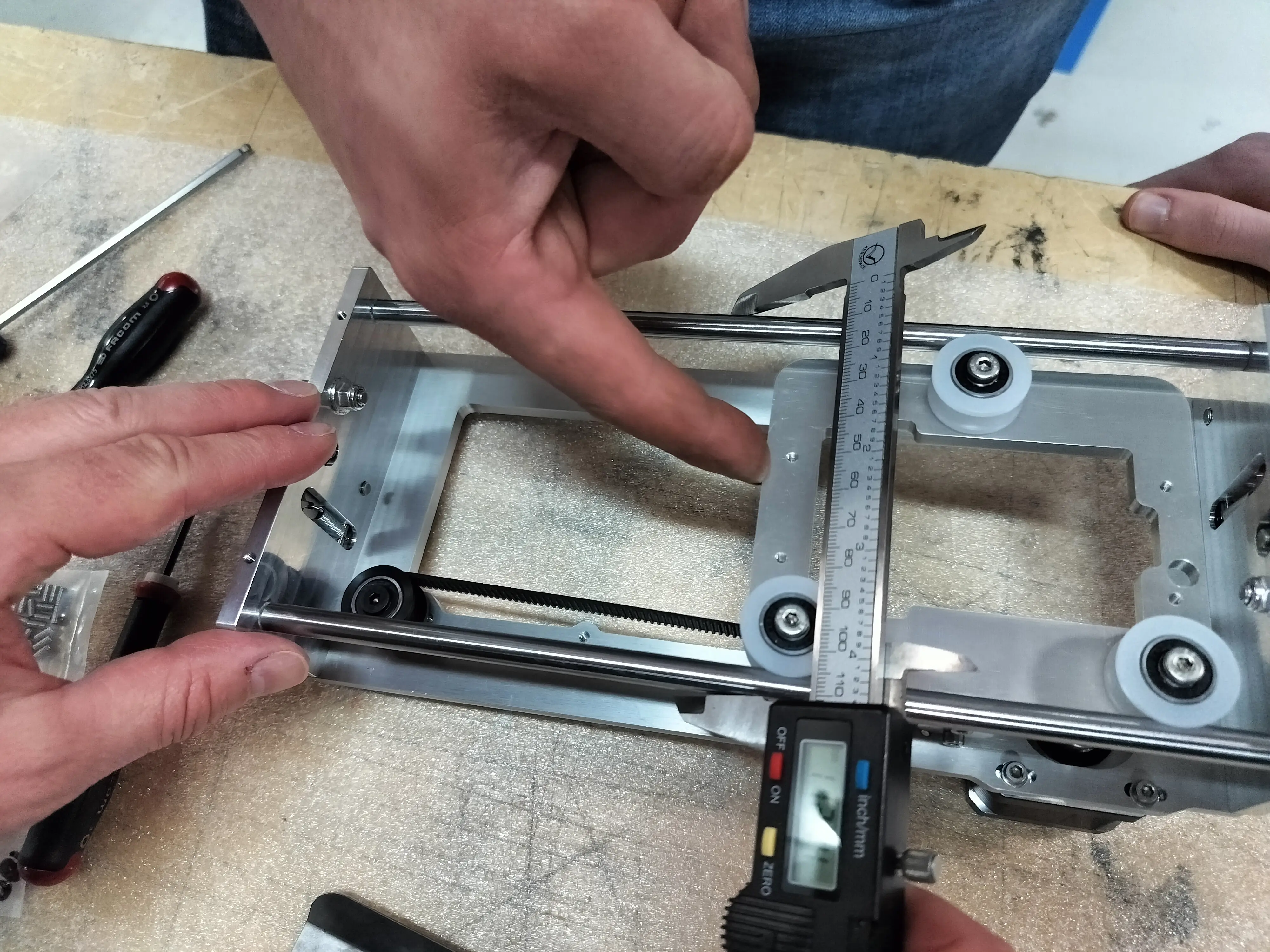
It was important for Podoprinter that all technical components could be removed without tools and in just two steps. This was to improve on-site serviceability. A customer should be able to do this themselves.
Therefore, we opted for a rigid frame that serves as a skeleton for all the technology, using ingenious positioning and couplings.
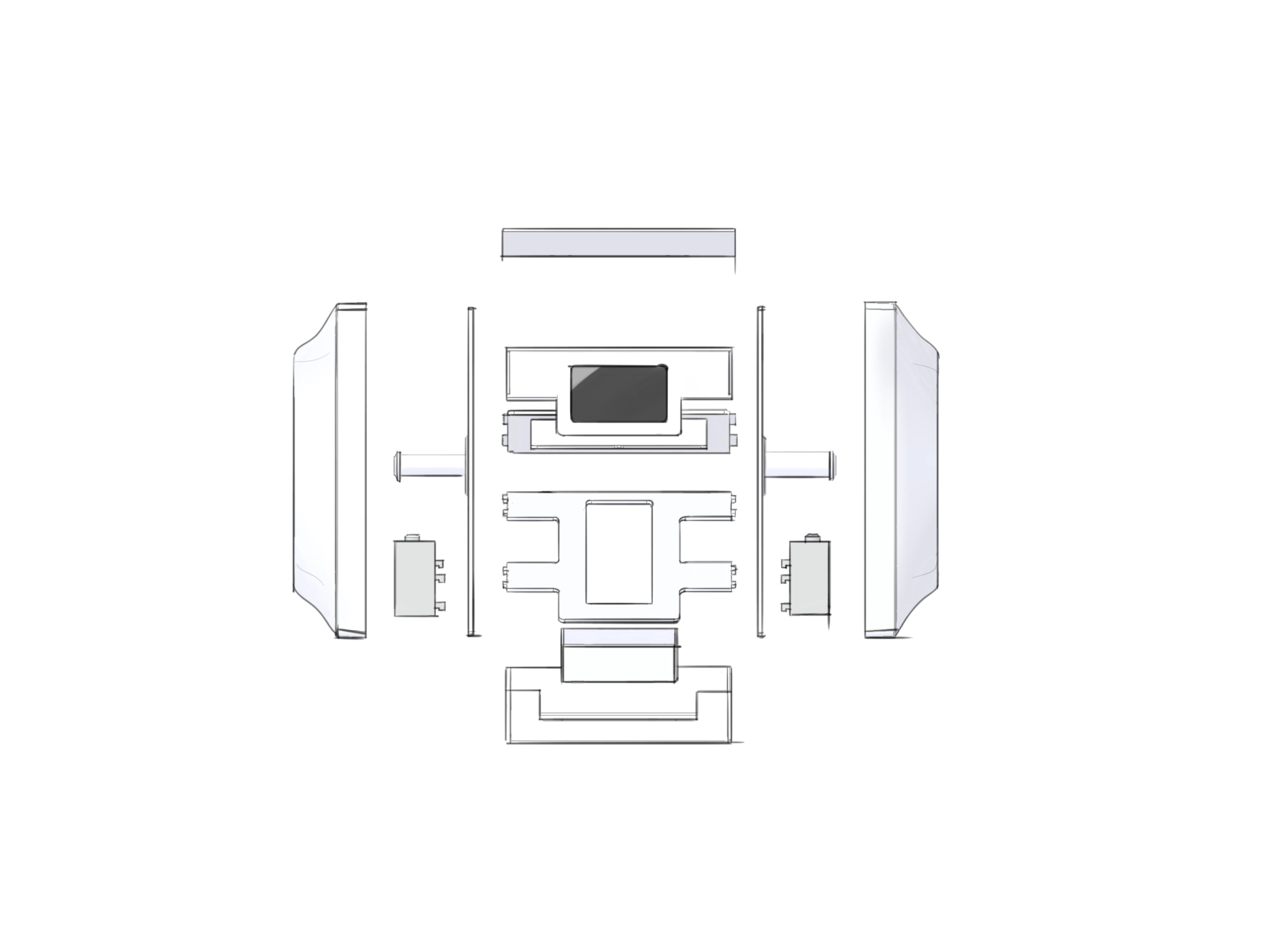
Ultimately, the machine consisted of 4 technical units: the gantry for 3D printing, the belt for continuous printing, the electronics, and the wire feed units. All of which can be removed from the device with a simple action.