Engineering consultancy in horticulture and agriculture: understanding first

Maxine Rietveld

A machine may function perfectly from a technical standpoint, yet still fail to fit into day-to-day operations in the horticulture and agriculture sectors. That is why engineering consultant Maxine Rietveld never begins a new project at the design stage. “First, you need to thoroughly understand the user scenario.” In doing so, she aligns technology, the end user, and practical application right from the start.

Automation is more than just building a machine

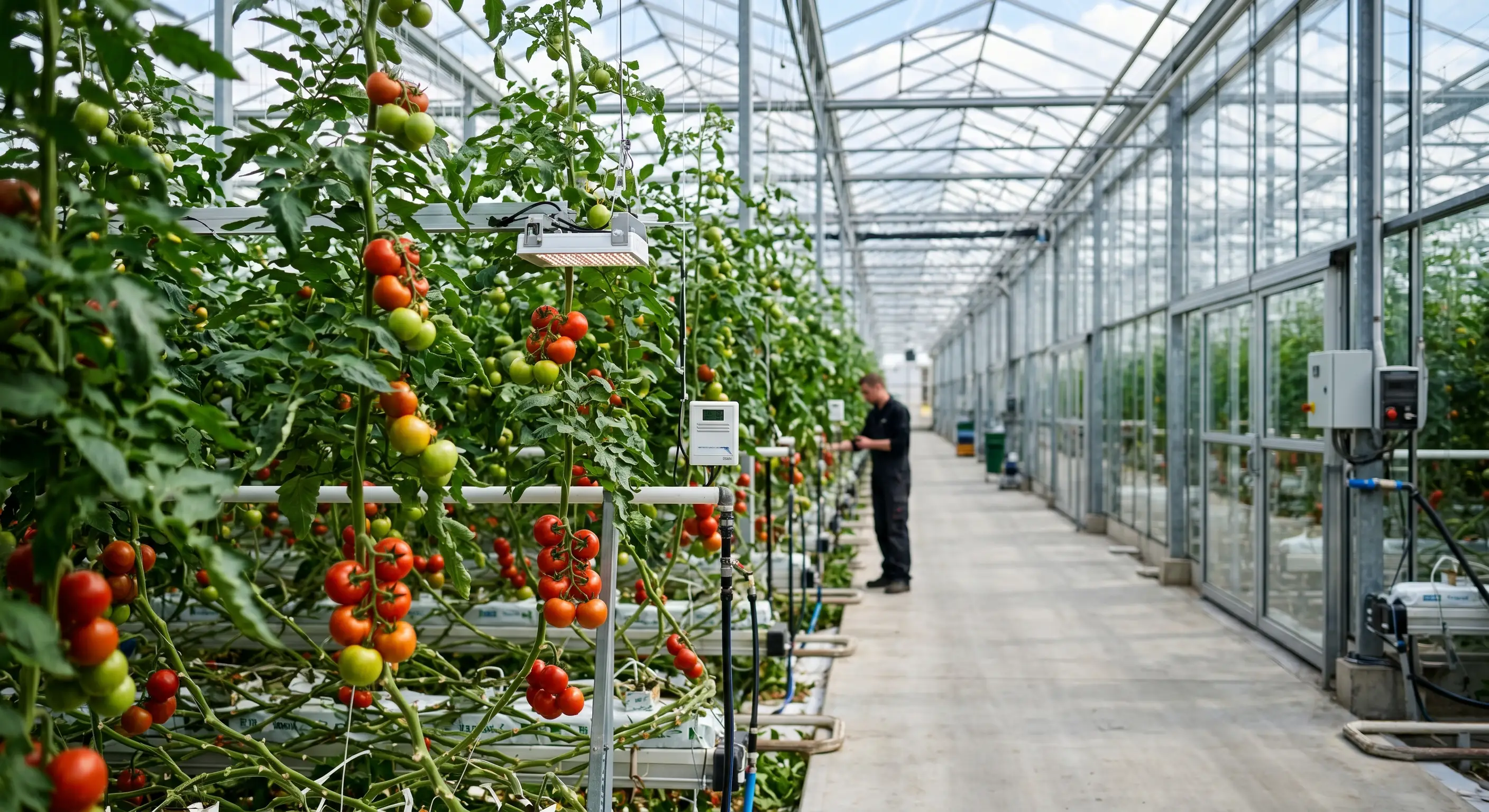
Maxine is seeing a growing demand for automation across horticulture and agriculture. “Many Dutch greenhouses are already highly automated, and the possibilities continue to expand. At trade fairs, for instance, you already see robots capable of picking tomatoes with great care. However, bridging the gap between such a promising innovation and widespread market adoption often proves far from straightforward.”

That is the crux of many engineering challenges: how do you transition from prototype to an affordable solution that is reliable enough for everyday use, straightforward to maintain, and seamlessly integrated into existing processes? “That’s why I don’t just look at the technology itself, but also at the context in which it has to operate.”
‍

Product development for the greenhouse

The working environment in horticulture and agriculture places very specific demands on product development. Equipment and machinery are subjected to intensive use, margins on end products are often tight, and efficiency is therefore paramount. These challenges also played a key role in developing the Airobreez for Koppert, a device designed to distribute biological pest control agents throughout a greenhouse. “We had to ensure that the pest control agents landed in precisely the right spots. At the same time, you have to account for how greenhouse staff actually handle the device. These are precisely the insights you need to uncover early in the process, as they directly impact construction, ergonomics, maintenance, and reliability.”

From initial analysis to manufactured product

For Maxine, the Airobreez is also a standout project for another reason. “At Lencon, we developed this product from start to finish, from the initial analysis phase through to production.” This comprehensive involvement leads to a better end product. “When design, engineering, prototyping, and manufacturing are closely aligned, decisions can be validated much faster. Does it work technically? Is it feasible to manufacture? Does it suit the application? And can we actually put it into production? By asking these questions early on, you prevent wasting time developing something that looks great on paper but proves impractical in reality.”

quotation marks icon

Before I develop a solution, I want to know who will be using it and under what conditions.

From user research to better design choices

Maxine has a background in industrial design and, during her time at Lencon, expanded her expertise into the technical aspects of product development and mechanical engineering. She now combines both disciplines in her role as an engineering consultant. “Before detailing a solution, I want to know who will be operating it and in what conditions. Sometimes I find this out through user interviews, and sometimes I visit the site myself.” During the analysis phase with Koppert, for example, it became clear that not all the required information was readily available. By proactively gathering targeted input, the team prevented unexpected issues from surfacing down the line. According to Maxine, this is time well spent: “The sharper the brief at the outset, the better and faster the final design can be developed.”

It is better to involve an external engineer early rather than late

Ideally, Maxine likes to get involved as early in the development process as possible. By critically assessing initial assumptions in good time, she can prevent a project from heading in the wrong direction. “As an engineering consultant, you sometimes have to ask tough, or even uncomfortable, questions early on. But that’s vital: making the wrong decisions at the start can lead to major technical and financial repercussions later on.” The benefit of an external engineer is their ability to view the situation with a fresh perspective. Maxine’s advice is clear: “Don’t wait until the design is almost finished and you simply need extra hands to finalise drawings. Involve an engineering consultant right from the start. That’s where we can add the most value.”

quotation marks icon

The sharper the initial brief, the better the final design

Engineering support op locatie

Heeft u tijdelijk extra technische capaciteit nodig of zoekt u specifieke engineering expertise voor een lopend project? Lencon levert ervaren engineering consultants op locatie. Allround waar nodig, specialisten waar het telt.
‍

We kunnen snel van start, soms al binnen één week. Interessant?